

The Real Pain Points of Launching an MVNO (That No One Talks About)
It’s Never Just the Tech
Launching an MVNO today seems easier than ever. You can plug into APIs, lease wholesale bandwidth, and go live in weeks.
But what happens after the launch?
That’s where things often fall apart.
While founders obsess over ROIC and go-to-market timelines, they underestimate the real cost of Opex in telecom, CX bottlenecks, and systems that won’t scale.
This blog is a candid breakdown of MVNO launch challenges and invisible hurdles—and why solving them early makes all the difference in your MVNO launch strategy.
Opex in Telecom—The Hidden Cost in MVNO Launch Challenges
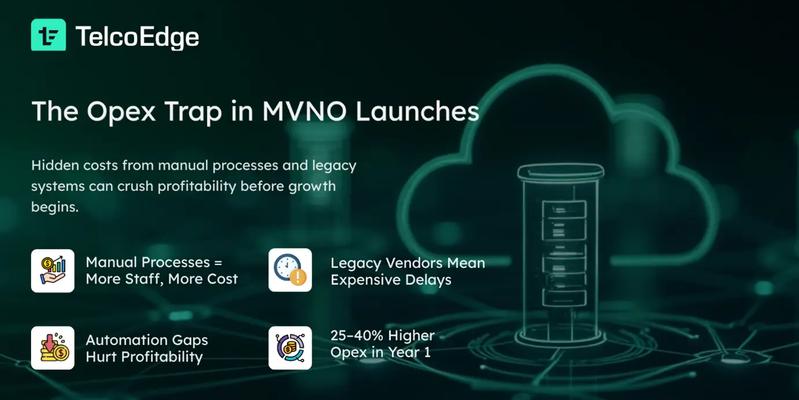
Most MVNOs keep their eye on launch CAPEX—but overlook how fast Operating Expenses pile up:
- Manual workflows increase headcount (support, finance, activations)
- Legacy vendor SLAs drive consulting & change request costs
- Poor automation = higher average cost per subscriber (a key telco KPI)
Stat to add:
MVNOs that rely on legacy BSS/OSS report 25–40% higher operational costs per subscriber in Year 1.
Understanding how to reduce Opex in MVNO operations from the start can dramatically improve long-term profitability and efficiency.
Top CX Mistakes MVNOs Make That Lead to Churn
In telecom, churn is the silent enemy. And poor NPS is its early warning signal.
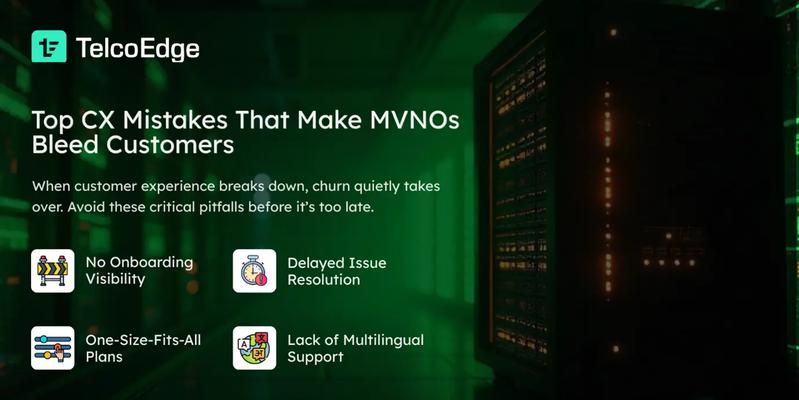
MVNOs lose out on long-term growth when they don’t:
- Track onboarding friction points
- Respond fast to failed activations or payment issues
- Personalize plans and self-service flows
- Provide multilingual, omnichannel support
If your CX stack isn’t as sharp as your pricing, customer loyalty evaporates—and acquisition costs balloon.
How to reduce churn in MVNO startups starts with clear visibility into customer sentiment and proactive service.
Ignoring these top CX mistakes MVNOs make could turn your early wins into long-term losses.
Integration Woes—A Core Challenge of Launching an MVNO
Every additional third-party tool adds complexity.
- You’ll need integrations with SIM provisioning, payment gateways, CRMs, KYC systems, and support platforms.
- Without unified data sync, your team lives in tabs and spreadsheets—slowing decision-making and response time.
MVNO frustration quote-style idea:
We had five platforms to activate one SIM. Our average onboarding time? 36 hours.
These challenges of launching an MVNO are rarely discussed—but deeply felt by operations and support teams alike.
ROIC ≠ Resilience - Why MVNO Launch Strategy Must Evolve
Return on invested capital might look good for the first 90 days post-launch.
But without solving for day-to-day efficiency, real-time visibility, and customer experience, growth stalls.
Key question:
What’s the cost of downtime, delays, or refund requests you couldn’t process
The answer isn’t on your balance sheet—it’s in telecom churn rate, brand trust, and lost referrals.
Resilience Is the New ROI
If your MVNO’s survival depends on keeping Opex low and NPS high—you need more than just fast setup.
You need operational clarity, CX precision, and scalable systems from day one.
Tackle the MVNO launch challenges early—because resilience, not speed alone, drives success.